
By Dr Vindhya A/P Prem Kumar, Consultant Ophthalmologist, Hospital Seri Botani
Diabetes affects millions of people worldwide and is a major cause of blindness, kidney failure, heart disease, and stroke. In its 2019 World Report on Vision, WHO recognised diabetic retinopathy as one of the major AVOIDABLE causes of blindness and visual impairment globally.
What is Diabetic Retinopathy?
Diabetic retinopathy is an eye disease that occurs when high blood sugar damages the small blood vessels in the retina, the light-sensitive tissue at the back of the eye. Over time, these vessels may weaken, swell, or close off completely, disrupting the retina’s ability to function optimally. And this leads to an array of changes that not only complicate your ability to see but also can completely disrupt your life and your independence.
This does not mean the end of the world for those suffering from Diabetes. It is not meant to demotivate those who have Diabetes. This simply means that regular blood work, early detection, motivated approach to lead a healthier life by taking the time to exercise, eat healthy nutritious food on time, keeping your blood sugar optimised with diet control and medications if needed, WILL help avoid these blinding complications.
How Does Diabetes Affect the Eyes?
In its early stage (non-proliferative stage), tiny weak blood vessels leak fluid or small amounts of blood, leading to small punctate spots of blood scattered in the retina with or without retinal swelling. This may or may not cause blurred vision. You may feel completely normal, but this does not mean that the changes are not happening in your retina.
If left unattended, this can progress itself to the advanced stage (proliferative stage): Since the normal blood vessels of the retina are damaged by diabetes at this point, it cannot deliver enough oxygen to maintain its function. In response, the retina tries to “revive” itself by producing more new blood vessels. Unfortunately, these blood vessels are abnormal and fragile. Instead of helping, they often leak or bleed, form scar tissue and may pull on the retina, causing retinal detachment or even a type of secondary glaucoma known as Neovascular Glaucoma.
When these vessels leak and cause swelling at the most visually sensitive part of the retina (macula), this is called Diabetic Macular Edema (DME), which causes significant vision loss and is a leading cause of blindness in working-age adults.
Treatment Options
Well of course there are treatment options available, but these options are somewhat “palliative” rather than “curative”. Why? Because:
- The root of the problem (i.e. Diabetes) still remains and thus the on-going damage remains if Diabetes is not controlled.
- Damage to retinal vessels due to chronic high sugars/fluctuating sugar levels are permanent and not reversible.
- Treatments control progression of disease but does not cure it:
- Laser treatment (photocoagulation) to seal leaking blood vessels and prevent further abnormal growth and bleeding but it does NOT restore lost vision.
- Anti-VEGF injections to reduce abnormal vessel growth and swelling but requires repeated (expensive) injections into the eye to maintain control.
- Vitrectomy surgery to remove blood or scar tissue inside the eye in advanced cases but the visual loss remains permanent. Unlike in cataract surgeries where surgery can restore clear vision, diabetic retinopathy damage is often irreversible.
Personal Experiences in Treating Advanced Diabetic Retinopathy Patients
In many years of practice of treating Diabetic Retinopathy patients, I have encountered many heart wrenching moments for me as an Ophthalmologist:
- A young, 20 something pregnant diabetic mother who has lost her vision to diabetes and will not be able to see her newborn baby.
- The breadwinner of the family, first losing his limb to diabetes and then his vision on both eyes and now wheelchair bound.
- A grandmother having an already blind eye due to complications of diabetes (neovascular glaucoma) and failed treatments, that is so painful that she begs to surgically remove the contents of her eye (evisceration) / remove the eye ball itself (enucleation).
Take Home Message: Prevention, Prevention and Prevention!
The key to prevention ultimately lies within you.
- Control blood sugar, blood pressure and cholesterol – Good general health reduces the risk of diabetic eye disease.
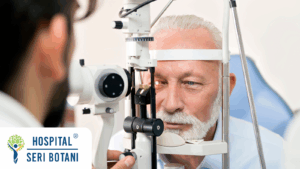
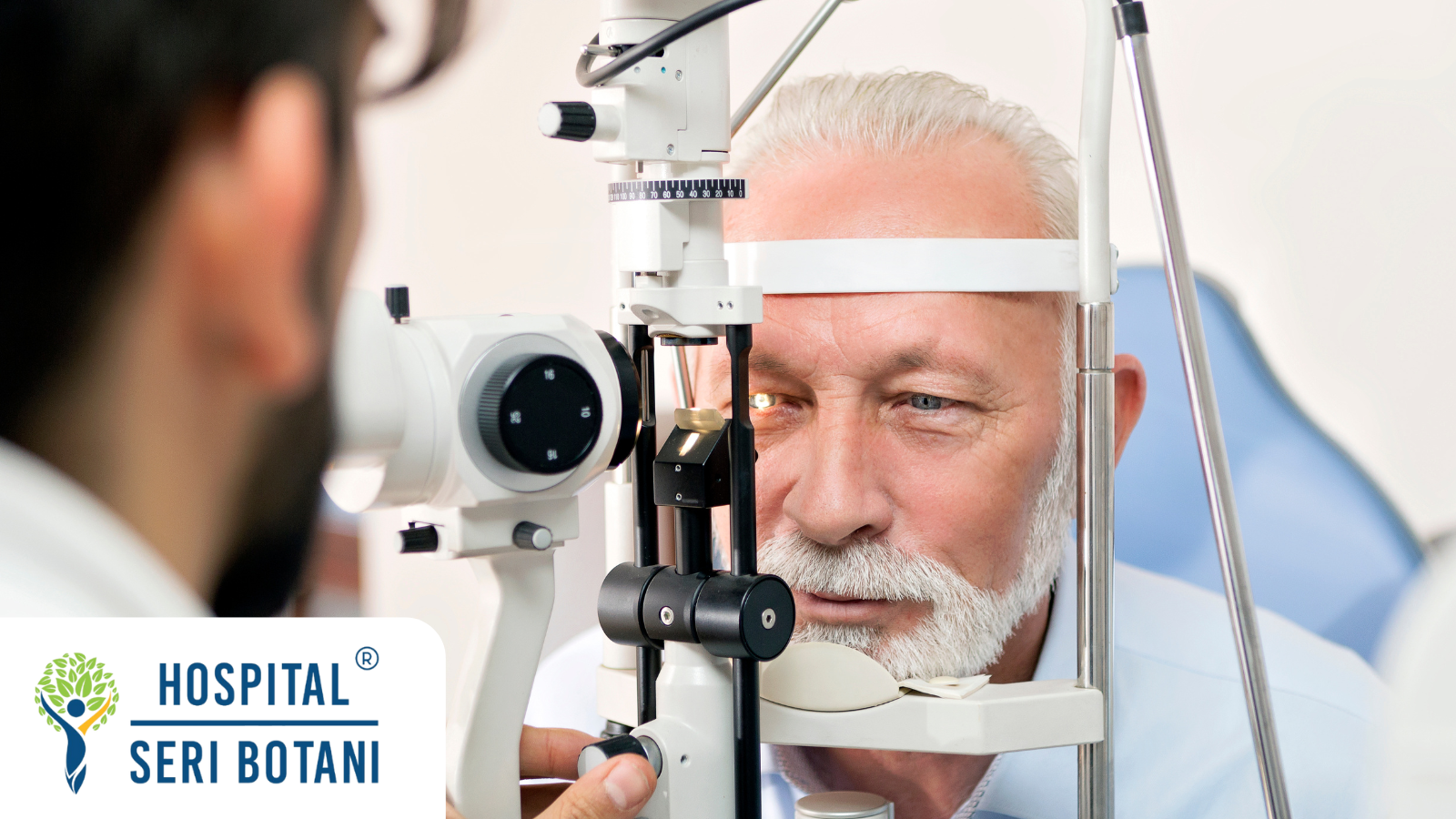
- Get regular eye exams – People with diabetes should have a comprehensive dilated eye exam at least once a year, even if vision seems normal.
- Do not ignore vision changes – Any sudden blurring, floaters, dark spots should be assessed urgently.
- Lifestyle adjustments – Healthy diet, exercise and quitting smoking all support eye health.
- Timely treatment – and adherence to treatment.
Protecting your eyes now means protecting your independence and quality of life in the future.