
By Dr Sathesh Babu A/L Subramaniam, Consultant Internal Medicine (Physician), Hospital Seri Botani
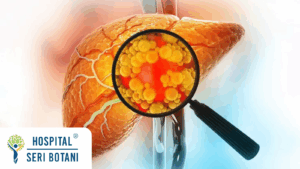
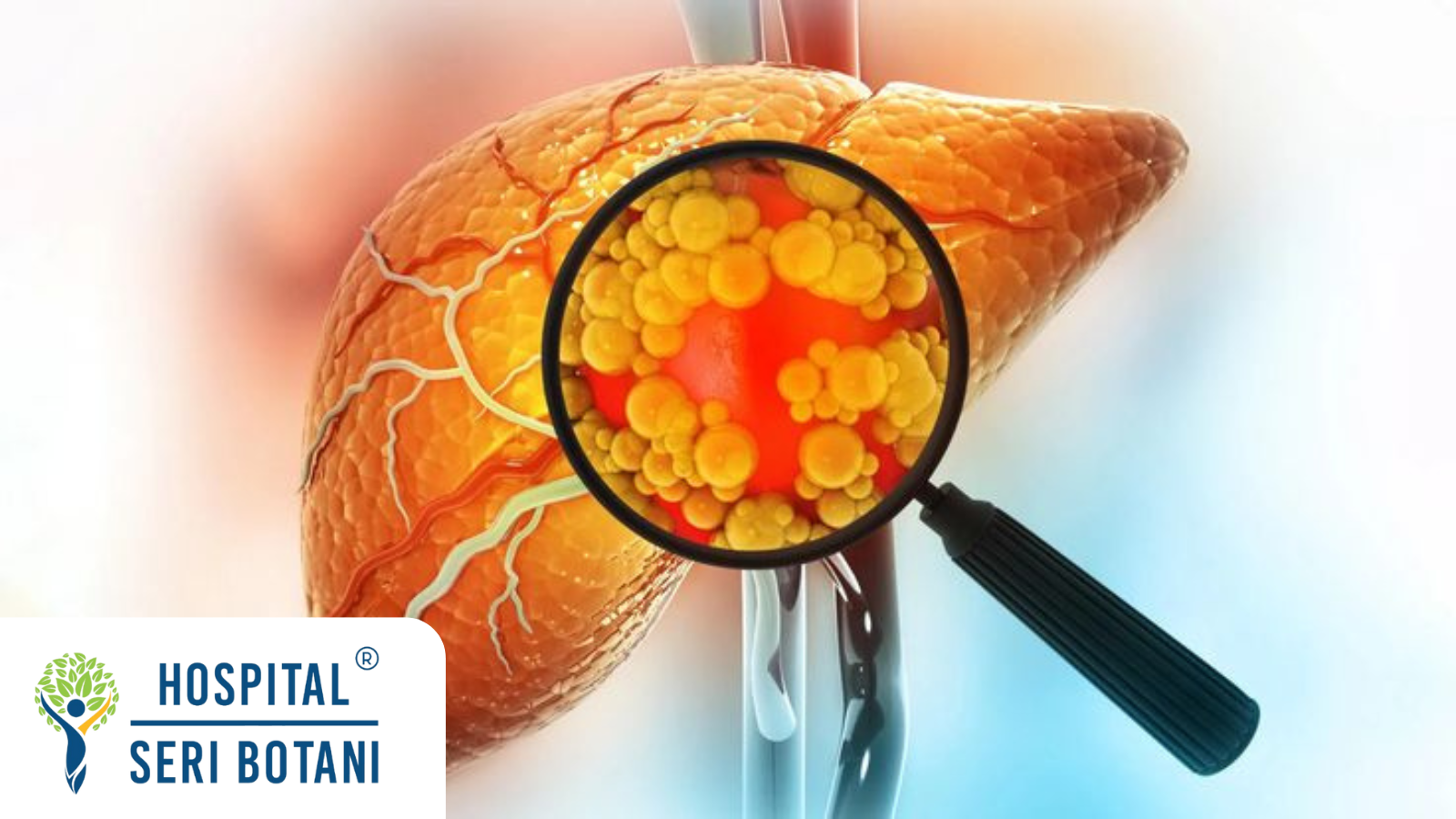
Fatty liver is a condition where too much fat builds up in the liver. The liver is an important organ that helps clean the blood, digest food, and store energy. Fats are necessary to transport fat-soluble vitamins (A, D, E, and K), as well as cholesterol and triglycerides. It’s normal for the liver to have a little fat, but when the amount becomes too high, it can start to affect how well the liver works.
There are two main types:
- Alcohol-related fatty liver, caused by drinking more alcohol than the liver can handle.
- Non–alcoholic fatty liver, which happens in people who drink little or no alcohol. This type is often linked to being overweight, having diabetes, high cholesterol, or not getting enough physical activity.
Most people with fatty liver don’t feel sick. There may be mild tiredness or a slight discomfort on the right side of the stomach, but many people have no symptoms at all. Doctors often discover fatty liver during health screening via blood test or ultrasound.
Fatty liver can range from mild to more serious. In many cases, it is harmless. However, if the liver becomes inflamed, it can lead to damage and scarring over time. Severe scarring is called cirrhosis. Cirrhosis cannot be reversed. The good news is that fatty liver can often be improved or reversed, especially when found early.
The main treatment is healthy lifestyle changes:
- Weight loss if needed – losing even 5–10% of your body weight can greatly improve liver health.
- Eating a balanced diet with plenty of vegetables, fruits, whole grains, and lean proteins while cutting back on sugary drinks, sweets, and processed foods.
- Reduce carbohydrate intake– eat smaller amounts of rice, noodle, and bread. Excessive carbohydrate is converted to fructose which is stored in liver as fat.
- Avoiding or limiting alcohol, especially if alcohol contributed to the condition.
Regular check ups help your doctor monitor your liver and guide you toward the best steps for keeping it healthy.